

Exercice budgétaire 2026 : le Minmidt fixe le cap
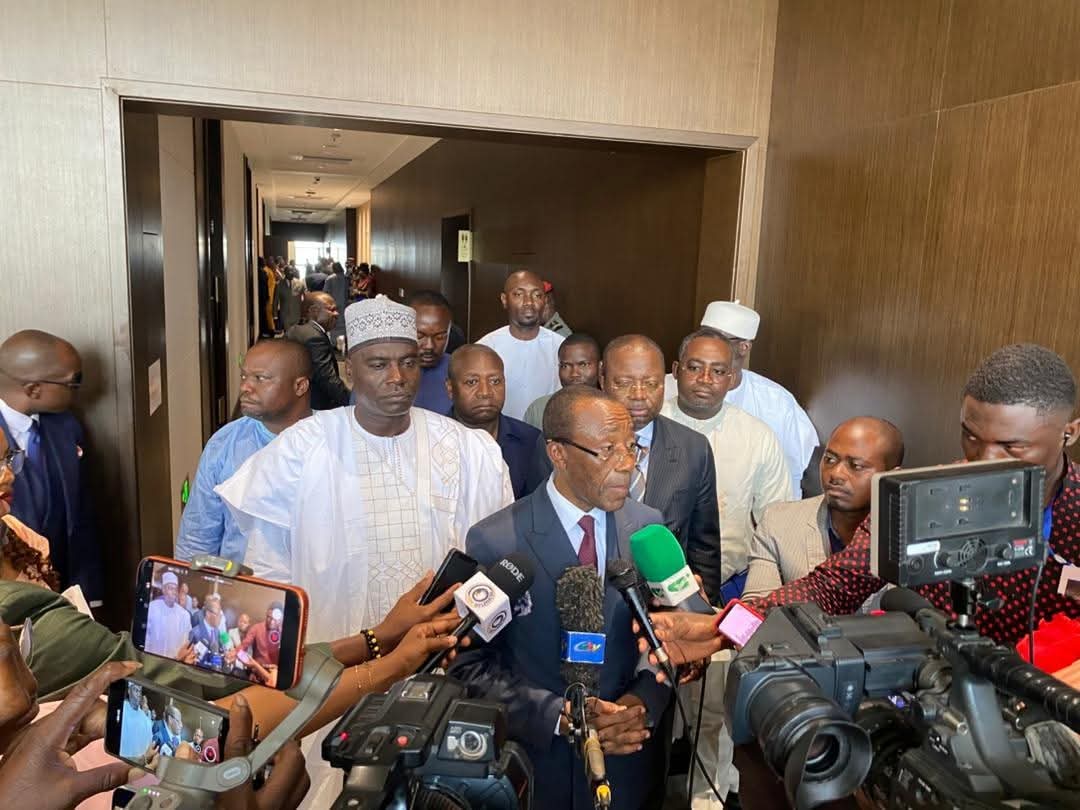
Le Ministre des Mines, de l’Industrie et du Développement Technologique(ai) le professeur FUH CALINS RENTRE, était devant la commission des finances et du budget ce 28 Novembre 2025.
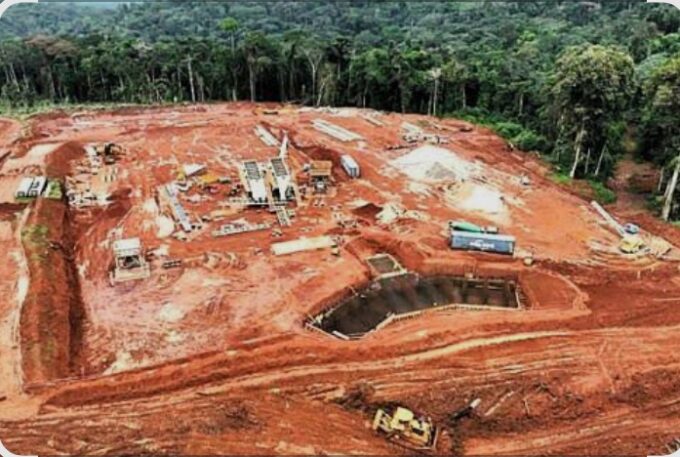
« Nous sommes passés d’un pays à potentiel minier à un véritable pays producteur, avec cinq projets miniers déjà entrés en phase d’exploitation. Je viens d’établir un tableau des recettes attendues pour chacun de ces projets ; il sera transmis au Ministère des Finances afin que l’administration mette en place les mécanismes permettant aux Camerounais de bénéficier pleinement de cette mise en production déjà effective.
Je peux également vous confirmer que la situation du secteur artisanal a considérablement progressé :
l’artisanat pur est désormais géré par les communes ;
l’artisanat semi-mécanisé est supervisé par le ministère, avec un accompagnement environnemental visant à assurer le paiement des montants destinés à la restauration des sites.
Ces dispositifs doivent permettre de collecter 3 millions par hectare pour chaque permis semi-mécanisé. Par exemple, pour un permis couvrant 21 hectares, cela représente 63 millions, qui ne constituent pas une recette budgétaire, mais une caution environnementale destinée à garantir la restauration des sites après exploitation.
En perspective, concernant les autres projets miniers, Nkout, Ntem, Colomine et Ngovayang, je suis convaincu que, d’ici trois ans, l’ensemble des projets miniers identifiés entreront également en production.
Dans le secteur industriel, le Cameroun a clairement fait le choix de l’industrialisation par chaînes de valeur et avance de manière significative. Nous avons identifié quatre principales chaînes de valeur, notamment :
la chaîne bauxite – alumine – aluminium – produits aluminium ;
la chaîne argile – feldspath – carreaux, avec deux grandes usines de production de carreaux à Kribi et à Kaké, qui placent le Cameroun parmi les tout premiers producteurs en Afrique;
la chaîne de valeur du fer, allant de l’extraction minière à la production de billets et de produits finis en fer.
Avec l’ensemble de ces activités minières et industrielles, je peux affirmer, en toute modestie, que l’objectif des 50 000 emplois pour les jeunes et les femmes, tel que prescrit par le Président de la République, est non seulement réalisable, mais également durable,
We have moved from being a country with mining potential to a true mining producing nation, with five mining projects already in operation. I have prepared a table outlining the expected revenues from each of these projects; this table will be forwarded to the Ministry of Finance so that the administration can implement mechanisms allowing Cameroonians to fully benefit from the production phase that has already begun.
I can also confirm that the artisanal sector has made significant progress:
Pure artisanal mining is now managed by local councils;
Semi-mechanized artisanal mining is supervised by the ministry, with environmental support to ensure payment of the amounts required to restore mining sites.
These measures should enable the collection of 3 million CFA francs per hectare for each semi-mechanized permit. For example, for a permit covering 21 hectares, this represents 63 million CFA francs. This is not state revenue but rather an environmental bond that guarantees the restoration of the environment after the mining activity.
Looking ahead to other mining projects: Nkout, Ntem, Colomine, and Ngovayang, we must continue our efforts. I am confident that within three years, all identified mining projects will also move into the production phase.
In the industrial sector, Cameroon has deliberately chosen and is making strong progress in value-chain industrialisation. We have identified four major value chains, including:
the bauxite–alumina–aluminium–aluminium products value chain;
the clay–feldspar–tiles value chain, supported by two major tile-producing factories in Kribi and Kaké, which place Cameroon among the leading producers in Africa;
the iron value chain, from mining extraction to billets and finished iron products.
With all these mining and industrial activities, I can say, with all modesty, that the target of 50,000 jobs for young people and women, as prescribed by the President of the Republic, is not only achievable but sustainable, provided that this vision continues so that these jobs can be created every year in our country.
This is the basis on which our budget was adopted, and I believe that the youth, women, and all Cameroonians can rely on the President of the Republic’s commitments regarding the mining and industrial development of our nation. »
Celcom.





Laisser un commentaire